 Mac 23, 2021 07:00 MYT
KUALA LUMPUR: Isu masalah air bukanlah perkara baharu. Kerap kali dibicarakan, dilaporkan dan dibincangkan, namun seakan tiada perubahan dan tetap berulang.
Masalah yang acap kali kita hadapi ini tidak mungkin dapat berakhir sekiranya kita masih melihat perihal kewangan dan materialistik itu lebih penting daripada alam sekitar, kata aktivis alam sekitar, Amlir Ayat.
Jelasnya, pemikiran sedemikian akhirnya hanya akan menjejaskan kehidupan kita apatah lagi generasi yang akan datang walaupun hadir bermacam bentuk teknologi untuk merawat kecelaan yang kita sendiri cipta.
“Apabila kita punyai sikap materialistik dan berjangka pendek, maka kita sanggup untuk lakukan apa sahaja terhadap alam sekitar.
“Letaklah teknologi hijau apa sekalipun, ia takkan selesai jika orang masih buang sampah ke dalam sungai dan ada sikap tah mahu memelihara air,” katanya.
Seharusnya ujar Amlir, masyarakat di setiap peringkat dari bangku sekolah khususnya dan khalayak awam perlu dididik dan dipupuk kesedaran tentang peri pentingnya air atau alam sekitar secara amnya supaya kita tidak berfikiran bahawa teknologi akan dapat menyelesaikan segala masalah.
Apabila masyarakat benar-benar sedar dan faham akan peranan penting air dalam kelangsungan kehidupan manusia di muka bumi ini, maka teknologi akan berfungsi dengan sebaiknya dalam mengekalkan kelestarian dan kemapanannya.
“Kalau kita didik masyarakat untuk guna air secara berhemah, tak cemarkan sungai, maka mereka ini bukan sahaja akan menggunakan air dengan berhemah secara individu malah sebagai pemain industri atau apa juga bidang mereka, dalam kepala mereka (sentiasa berfikir) “aku mesti jaga air.”
Read more: Sampai bila-bila pun masalah air takkan selesai kalau...
 March 21, 2021 11:27 AM
PETALING JAYA: A consumer organisation wants the authorities to move away from mere “sloganeering” when it comes to protecting water resources and has called for more action as it claims that pollution is getting worse.
The Consumers’ Association of Penang (CAP) said there is an urgent need for tougher water-related laws with much higher penalties in view of the numerous violations caused by irresponsible individuals and industries.
It said recent incidents, including the depletion of water at reservoirs in several dams such as the Muda Dam in Kedah and river pollution in Selangor and Johor, are evidence of deteriorating water quality and supply.
In Kedah, it said, residents are worried that their health will be affected because the supply of tap water has not only been reduced but also dirty and silty.
“Communities sourcing water from the hills also complain that the supply is contaminated with mud as a result of uncontrolled logging and extractive activities in the catchment area,” CAP said in a statement in conjunction with World Water Day tomorrow.
It said the water quality at Timah Tasoh lake in Perlis and Tasik Chini in Pahang has also been badly affected by environmental pollution from the surrounding areas.
“Our investigations found that threats to water resources such as destruction of catchment areas due to logging activities, and pollution of rivers and seas by industrial waste, sewage, agrochemical residue and sediment from agricultural areas, and animal manure and livestock waste including garbage disposal, have increased.
Read more: Tougher laws needed to save water sources, says CAP
 March 11, 2021 8:30 AM
PETALING JAYA: The Malaysian Plastics Manufacturers Association (MPMA) has urged Putrajaya to remodel the waste management system to meet the rising demand for recycled plastic resin in the next four years.
MPMA vice-president CC Cheah said it made “commercial sense” to tap into the recycling industry, which generates some RM4.5 billion in annual revenue.
Demand for recycled plastic, he said, was expected to hit 4.5 million tonnes by 2025.
Cheah said the Covid-19 pandemic had also led to a surge in demand for plastic for consumer products, such as food packaging and electronics.
This, in turn, would further contribute to the demand for recycled plastic resin, he said.
“There is money to be made in waste management. There are a lot of business opportunities that many private companies want to invest in,” he told FMT.
He believed that with the right incentives, proper regulation and framework as well as Putrajaya’s support, the sector can grow into a RM15 billion to RM20 billion industry.
Cheah said that apart from that, the industry would offer job opportunities, especially for chemical, mechanical and electrical engineers as well as technicians, on top of other disciplines.
In remodelling the nation’s waste management system, he said, Putrajaya should invest in more materials recovery facilities, or MRFs, nationwide.
These facilities are used to “separate and densify commingled materials” to prepare them for recycling.
Read more: There’s money in recycling, don’t let it go to waste, govt urged
 Selasa, 2 Mac 2021 @ 4:34 PM
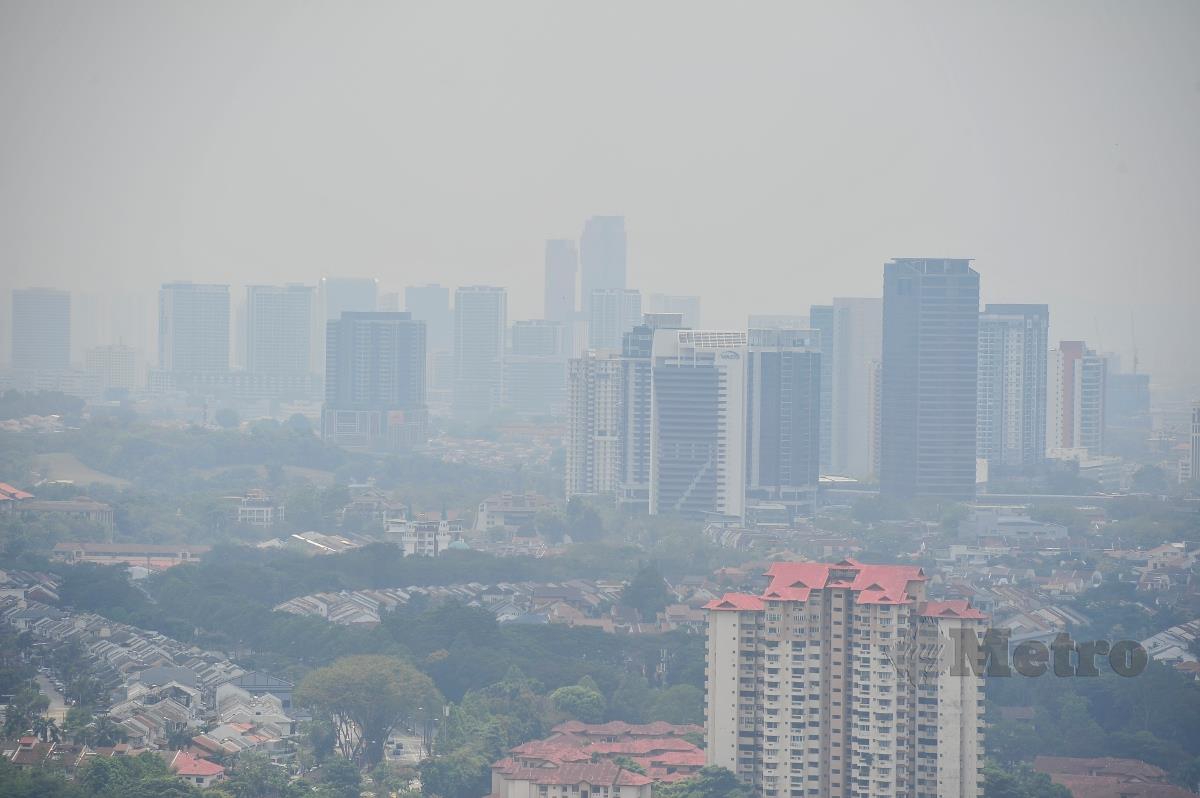
Kuala Lumpur: Jerebu yang berlaku di beberapa kawasan di negara ini adalah 'jerebu tempatan' yang antaranya berpunca daripada pembakaran terbuka terutama dalam cuaca panas ketika ini.
Timbalan Ketua Pengarah (Strategik & Teknikal) Jabatan Meteorologi Malaysia (MetMalaysia), Dr Mohd Hisham Mohd Anip berkata, hujan yang kurang dan aktiviti pembakaran terbuka menyumbang kepada indeks pencemaran udara yang tidak sihat seterusnya menyebabkan jerebu.
"Memang ada kena-mengena (cuaca panas), kita tidak banyak menanam (tumbuhan), sebaliknya banyak aktiviti pembakaran terbuka untuk membersihkan kebun dan sebagainya, maka ia menyebabkan jerebu tempatan," katanya menafikan ia berpunca daripada pencemaran dari negara jiran.
Beliau berkata, menurut laporan Jabatan Alam Sekitar (JAS) terdapat juga kebakaran di kawasan hutan simpan pada ketika ini.
Justeru, katanya MetMalaysia sentiasa menasihatkan orang ramai supaya tidak melakukan pembakaran terbuka dan mengurangkan aktiviti di luar serta minum air secukupnya.
Sebelum ini MetMalaysia memaklumkan negara kini berada pada fasa akhir Monsun Timur Laut yang dijangka berterusan sehingga pertengahan Mac 2021.
Dalam tempoh ini, taburan hujan adalah agak rendah di Semenanjung Malaysia terutamanya di utara Semenanjung.
Read more: Pembakaran terbuka dalam cuaca panas sebabkan jerebu tempatan - MetMalaysia
 February 18, 2021 8:37 AM
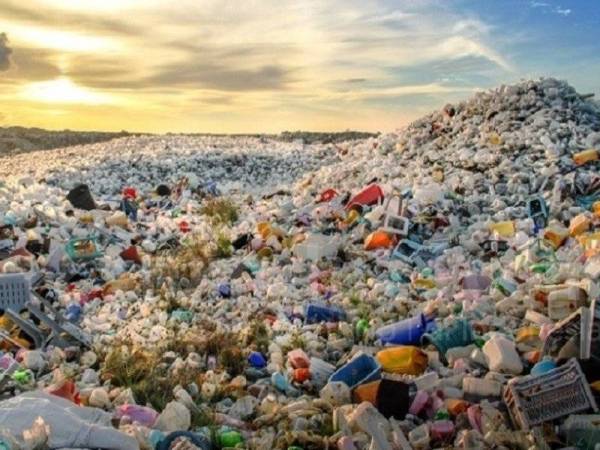
PETALING JAYA: The UK exported 63% more plastic waste to Malaysia last year, according to a Greenpeace report, with its country representative urging more responsible recycling by developed countries.
The Greenpeace report published on Tuesday highlighted how the UK exported 537,000 tonnes of plastic waste in 2020, roughly the same amount (539,000 tonnes) in 2019.
The volume of waste exported to Malaysia rose from 40,007 tonnes to 65,316 tonnes.
“Malaysia and other countries should not be used as dumping ground,” said Greenpeace Malaysia campaigner Heng Kiah Chun in a statement to FMT.
“Developed countries should stop putting their responsibility onto other countries for their own plastics problem and put in place policies to reduce single-use plastics with the aim of a complete end from its source.”
Heng noted that globally, only 9% of plastic waste produced had actually been recycled and 12% incinerated, with the remaining 79% ending up in landfills or the natural environment.
Describing the exports as part of a “global broken system”, he called for a sustained drive to reduce the use of non-essential plastic, develop sustainable alternatives and to switch to reuse wherever possible.
China’s ban on plastic waste import in January 2018 saw Malaysia emerge as a favourite destination for plastic waste.
While this waste is supposed to be recycled, it ends up in landfills where it is burned and pollutes the local population, as well as in rivers and oceans.
 17/02/2021 10:22 PM
KUALA LUMPUR, 17 Feb -- Malaysia menghantar pulang 254 kontena sisa plastik dengan anggaran berat 5,512 tan metrik ke negara asal tanpa melibatkan sebarang kos kepada kerajaan pada tahun lepas, kata Menteri Alam Sekitar dan Air Datuk Tuan Ibrahim Tuan Man.
Selain berjaya menggantung pengimportan sisa plastik secara haram ke dalam negara, katanya, Jabatan Alam Sekitar (JAS) menahan operasi 204 kilang kitar semula sisa plastik haram sepanjang tempoh itu.
Aktiviti pembanterasan itu selaras dengan komitmen kementerian dalam Pelan Hala Tuju Malaysia ke arah Sifar Penggunaan Plastik Sekali Guna 2018-2030 dan Pelan Strategik Kelestarian Alam Sekitar Di Malaysia 2020-2030, katanya dalam kenyataan di sini hari ini.
Dalam pada itu, Tuan Ibrahim menzahirkan ucapan tahniah kepada ketua Pengarah dan warga kerja JAS atas kejayaan merangkul Anugerah Penguatkuasaan Alam Sekitar Asia 2020.
Majlis penganugerahan daripada Program Alam Sekitar Pertubuhan Bangsa-Bangsa Bersatu (UNEP) itu diadakan secara maya hari ini.
“Penghargaan turut diberikan lepada semua agensi penguat kuasa di negara ini iaitu Jabatan Kastam Diraja Malaysia, Jabatan Pengurusan Sisa Pepejal Negara, Perbadanan Pengurusan Sisa Pepejal dan Pembersihan Awam dan semua pihak Berkuasa Pelabuhan yang menjadi ‘kunci’ kepada kejayaan itu,” katanya.
Katanya, kerjasama dan perkongsian maklumat pintar dengan agensi luar negara seperti Pihak berkuasa Kompeten di bawah Konvensyen Basel dan INTERPOL juga banyak membantu usaha JAS.
Read more: Malaysia hantar pulang 254 kontena sisa plastik tahun lepas
 October 30, 2020 6:34 PM
SHAH ALAM: The Selangor government said it will amend state laws to enhance the penalty for those who pollute the sources of water, including rivers.
Menteri Besar (MB) Amirudin Shari, in tabling the 2021 state budget, said these amendments would involve the Lembaga Urus Air Selangor (LUAS) Enactment 1999.
LUAS is the state agency tasked with managing water resources and state rivers.
“The frequent water pollution at both Sungai Selangor and Sungai Langat caused the water treatment plants to be shut down, thus cutting off water supply to residents.
“We will take several other measures, besides amending the LUAS enactment, such as using the ‘bioremediation’ for river conservation as well as the raw water treatment system method.”
He said the “bioremediation” method was a pilot project in Selangor.
Read more: Selangor to amend laws for harsher punishment of river polluters
 January 25, 2021 @ 4:37pm
SURGING Covid-19 cases worldwide has recorded up to 2 million fatalities to date (that is about 10 per cent of the total death during WW1), witnessed an overwhelming demand for medical attention in hospitals, necessitating medical institutions to have sufficient supplies of personal protection equipment (PPE).
The demand for polymer-based PPE is also observed among enforcement personnel and civilians. PPE such as gloves, face masks, face shields, and coveralls are not just used in the medical sector but also heavily used as a part of household products and among service industries including cashiers, petrol pump and flight attendants, customer service staffs, and security guards to limit and eventually inhibit the Covid-19 infection.
Many food handlers and eateries used more plastic than usual to protect their edibles from being medium of infection. The continuous demand for polymer-based PPE is alarmingly jeopardising the environment.
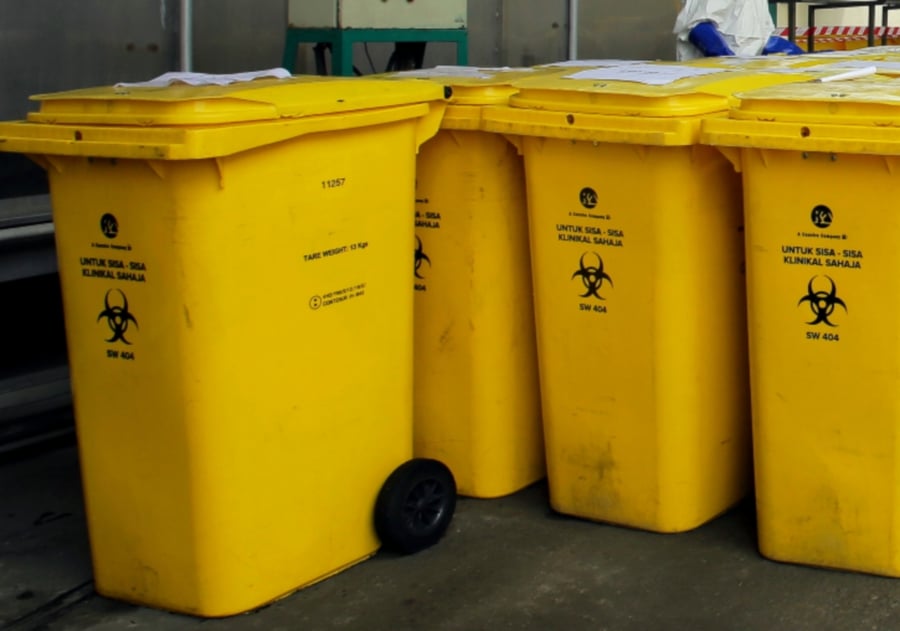
The disposal of used PPE in the medical sector is regulated by the local authorities, which are normally classified as biohazards. A more dire situation of polymer waste handling is focused on single used PPE among civilians.
Recently, we were alarmed with the news of plastic waste found in marine life carcasses and an unborn baby's placenta, which an indication of our negligence and improper plastic waste handling.
Used face masks and gloves were also seen being thrown away in the landfill and public areas. The pandemic emphasised the essential role of polymer in our daily life and at the same time, creating a distressing issue of waste accumulation.
 26 October 2020
WATER is the essence of life.
Though Malaysia is blessed with abundant water resources, the country is experiencing an alarming increase in demand for water supply in recent years. Many seem to take this natural resource for granted, while often having the misconception that supplying clean water would be cheap and easy.
Malaysia’s water operators are facing many challenges in ensuring consumers have continuous access to clean water and in ensuring a sustainable water future. Understanding these challenges is key to recognising the shared responsibilities of safeguarding this precious natural resource.
Quality of raw water
According to research by the World Wildlife Foundation (WWF) on Malaysian freshwater, about 97% of the country’s raw water supply comes from rivers.
Most water treatment plants in the country process raw water from the rivers, but many of these water bodies are polluted because of human activities.
Whenever raw water sources are polluted, treatment plants may need to be shut down when the pollution exceeds the safe parameter threshold allowed in a treatment process or in other words, exceeds the treatment process capability.
Read more: When the tide goes out: Challenges of the water industry
Page 2 of 23
- You are here:
-
Home

-
News/Events
- Latest Activities