
SURAT l Fomca: Awas penipu jualan murah 11/11
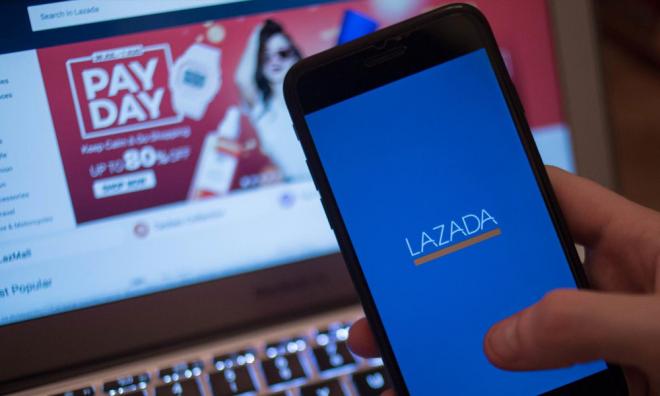 Wabak Covid-19 bukan sahaja melemahkan ekonomi negara tetapi turut mengubah aktiviti harian manusia secara amnya. Pengguna di Malaysia boleh dikatakan semakin serasi dengan kehidupan norma baharu semenjak pelaksanaan Perintah Kawalan Pergerakan (PKP) yang telah bermula pada 18 Mac yang lalu.
Antara perubahan aktiviti harian pengguna Malaysia yang paling ketara ialah apabila mereka mula serasi dengan kaedah pembelian barangan keperluan melalui platform atas talian atau e-dagang. Berdasarkan kajian statistik, aktiviti jual beli e-dagang mencatatkan peningkatan sebanyak 28.9 peratus pada April yang lalu.
Maka pemilik bisnes juga tidak mahu ketinggalan dengan pasca norma baharu ini, kebanyakan daripada mereka telah mula melakukan paradigma yang baru iaitu dengan meneroka peluang bisnes melalui platform e-dagang.
Namun begitu, berdasarkan data aduan daripada Polis Diraja Malaysia (PDRM) sebanyak 2,500 aduan penipuan e-dagang telah diterima dalam tempoh 18 Mac sehingga 4 Ogos lalu. Manakala Pusat Khidmat Aduan Pengguna Nasional (NCCC) pula telah menerima sebanyak 1,520 kes aduan penipuan e-dagang dalam tempoh Januari sehingga Oktober di mana 1,216 kes aduan adalah daripada pengguna di Selangor yang membeli barangan e-dagang melalui platform Facebook, Twitter, Instagram dan juga Mudah.my.
Pencarum dapat lebihan wang
 Selasa, 10 November 2020 @ 8:30 AM
Kuala Lumpur: Belanjawan 2021 yang diumumkan minggu lalu menyaksikan pelbagai bantuan disalurkan namun rakyat yang terkesan dengan penularan wabak Covid-19 seperti hilang pekerjaan, kerugian dalam perniagaan dan hilang punca pendapatan tetap memerlukan suntikan kewangan.
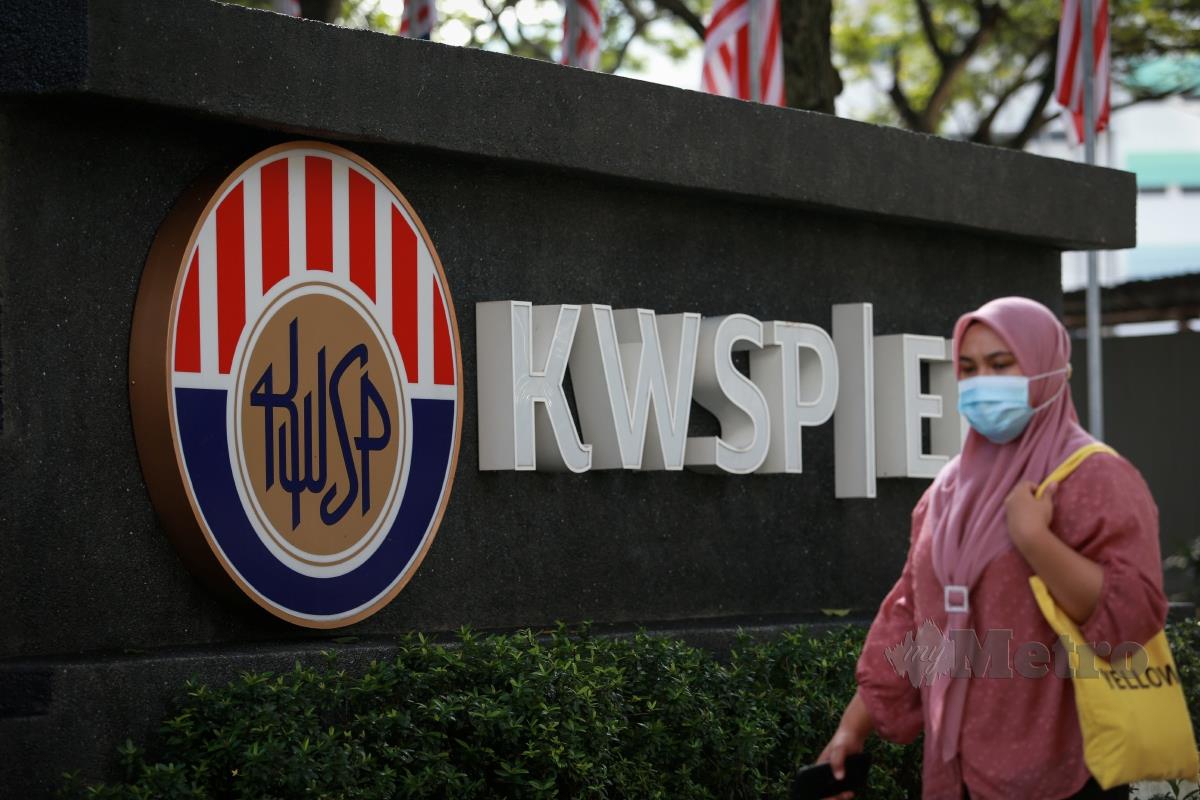
Penganalisis ekonomi, Prof Dr Azali Mohamed berkata, penurunan kadar caruman Kumpulan Wang Simpanan Pekerja (KWSP) dari 11 kepada 9.0 peratus menerusi pengumuman Belanjawan 2021 dilihat akan memberi lebihan wang belanja buat pencarum seterusnya mampu merancakkan ekonomi domestik.
Katanya, jumlah inisiatif yang membabitkan sehingga RM9.3 bilion ini bakal menyaksikan pergerakan ekonomi lebih baik tahun depan.
"Memang benar, caruman KWSP untuk pelaburan jangka masa panjang dan simpanan hari tua, namun rakyat amat terkesan sekarang dan pengumuman kerajaan dalam Belanjawan 2021 dapat melegakan kira-kira 600,000 pencarum.
"Langkah ini hanya terpakai dalam tempoh 12 bulan tahun depan dan boleh berubah semula ke peratus asal apabila ekonomi sudah kukuh dengan pengumuman semula pada belanjawan seterusnya.
Contractor loses over RM107,000 in Macau Scam
 The scammer told the victim that there was a transaction on an Ambank credit card in his name amounting to RM11,188.35 for the purchase of goods from Lazada
09 Nov 2020 8:30AM
BATU GAJAH — A contractor lost more than RM107,000 after he was duped by a Macau Scam syndicate member into believing that he had credit card debts.
Batu Gajah district police chief ACP Ahmad Adnan Basri said that the 45-year-old victim was at home in Kampung Baharu Chenderoh here, when he received a phone call from a man who introduced himself as 'Mr Lai' purportedly a Bank Negara officer at 03-94165679.
He said that 'Mr Lai' told the victim that there was a transaction on an Ambank credit card in his name amounting to RM11,188.35 for the purchase of goods from Lazada, but the victim denied it.
“The call was then connected to the money laundering division in Bukit Aman and the victim spoke to a woman named Than Kok Hwa who told him that his credit card account had been misused and he was required to appear in the Kuala Lumpur High Court.
“The victim informed the caller that he had two accounts, namely, Ambank account and Hong Leong Bank account before he was directed to go to the automatic teller machine (ATM) of both banks,” he said.
Intensify Buy Malaysia campaign – Sothi Rachagan
 The government needs to clarify its guidelines, criteria for the campaign to be effective
9 November 2020
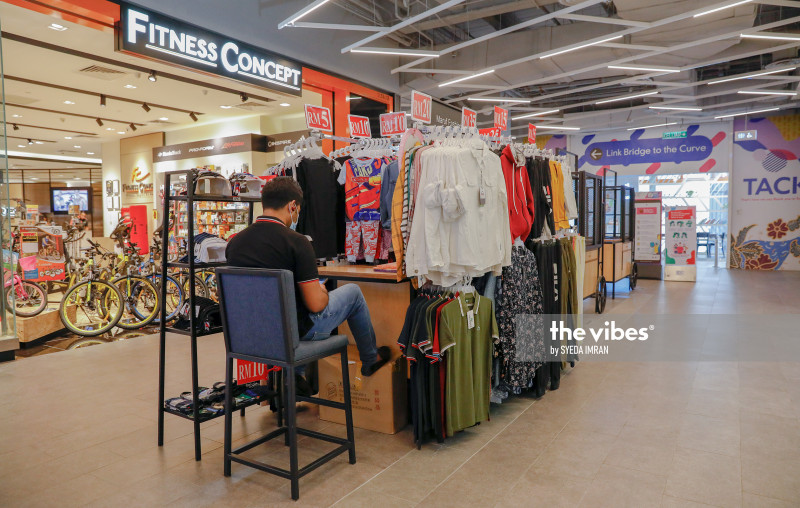
THE Domestic Trade and Consumer Affairs Ministry has initiated a follow-up to the Buy Malaysia campaign first launched in 1984 and relaunched during the financial crises of 1998 and 2008.
The current follow-up to encourage consumers to buy made in Malaysia products is to help local entrepreneurs during the economic crisis consequent on the ongoing Covid-19 pandemic.
Proponents of economic liberalism and free-market capitalism baulk at such protective measures.
However, as noted by Nobel laureate Paul Krugman in his opinion piece in the New York Times supporting the US Buy National Campaign during the 2009 financial crisis: “These are not normal conditions. We’re in the midst of a global slump, with governments everywhere having trouble coming up with an effective response... Don’t say that any theory which has good things to say about protectionism must be wrong: that’s theology, not economics.”
Malaysians will surely support the ministry’s efforts and treat buying Malaysian made products as an important determinant of their purchasing behaviour.
Emas tak dapat, lesap RM1 juta
 Rabu, 4 November 2020 @ 9:38 AM
Taiping: Seorang pesara swasta kerugian lebih RM1 juta (RM1,177,950) selepas lelaki warga emas itu ditipu dalam pelaburan emas yang tidak wujud.
Ketua Polis Daerah Taiping Asisten Komisioner Osman Mamat berkata, lelaki berusia 60 tahun itu mendakwa berurusan dengan seorang wanita warga Singapura yang dikenali menerusi aplikasi janji temu dalam talian, OKCUPID, dan menawarkan pelaburan emas yang dikenali sebagai Alpha Tradex.
Beliau berkata, mangsa memasukkan wang secara berperingkat ke dalam lapan akaun yang diberikan oleh suspek bagi tujuan pelaburan emas berkenaan.
"Hasil pelaburan yang ditawarkan oleh suspek kononnya boleh mendapat keuntungan mencecah US$2,712,477.41 (RM11,278,353.54).
"Pengadu ingin menunaikan wang keuntungan itu dan diberikan satu resit transaksi kemasukan wang ke dalam akaun pengadu," katanya dalam kenyataan di sini, hari ini.
Putrajaya urged to target aid to single mothers, disabled
 November 4, 2020 9:45 AM
PETALING JAYA: Putrajaya has been urged to provide additional forms of social protection to single mothers and disabled persons in low-income areas following a study showing they are the slowest to recover from the movement control order (MCO) because many of them cannot get government aid.
According to a recent Unicef report, income in general was inching towards 2019 levels in the areas the agency surveyed but women and the disabled were still making far less money than they used to.
The two groups were also the most likely to be without any kind of savings, the report said.
A spokesman for the All Women’s Action Society (AWAM) told FMT single mothers in low-income areas faced unique challenges that the government needed to address.
“We encounter many women who have been left by their husbands,” she said. “However, they are still legally married.”
She noted that the government recognised only divorced and widowed women as single mothers and called for less rigidity in determining eligibility for aid.
Read more: Putrajaya urged to target aid to single mothers, disabled
It's more income, not financial literacy that the poor need
 30 Oktober 2020
There are a lot of terrible things on Twitter, myself included, but one particularly irksome thing is personal finance Twitter.
As someone who's actually been poor, it's obvious to me that the advice given by these personal finance gurus are from people who've never actually experienced true poverty.
The recently announced financial literacy month, aimed to "empower the people with financial knowledge and skills" to quote a Bernama piece seemed rather tone-deaf during a time when people have lost their jobs and livelihoods through no fault of their own.
It's a problem — this belief among many of the rich and upper middle class that the poor are just poor because they make terrible decisions with their money.
Recently a Tory MP was pilloried on Twitter for defending his decision to vote against providing free meals for school children.
He said that if a parent had no money to feed their children, then why not sell the family pearls or mobile phones?
Read more: It's more income, not financial literacy that the poor need
LETTER | Cashless society: Is it possible for everyone?
 3 Oktober 2020 l 12.05pm
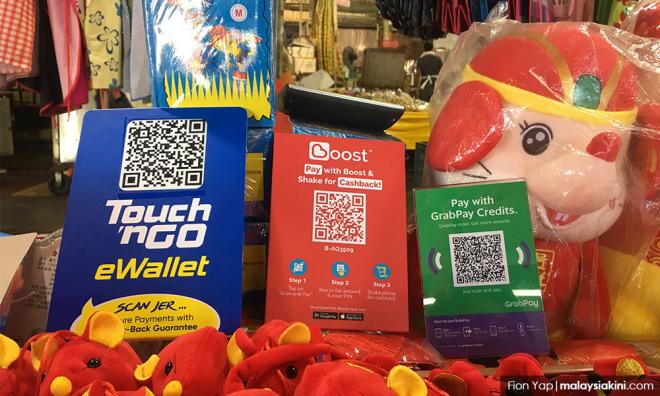
LETTER | There is no escaping our evolution into a cashless society. The notion that all transactions can be executed digitally is becoming more realistic day by day.
Covid-19 has accelerated the move away from physical cash, with growing concerns over transmittal of viruses and diseases.
A cashless society breeds a new era for financial transactions. Key benefits should include: lower crime rates, less money laundering, easier foreign transacting and reduced risks and costs.
The term, cashless society, itself appears ubiquitous and denotes a concept so pervasive and entrenched in our society. However, this is far from reality.
Economic inequality and inclusivity are fundamental issues still present worldwide. A cashless society might actually exacerbate these problems. The unbanked and poor could face significant challenges with digital modes of payment.
According to the World Bank, there are over 1.7 billion unbanked adults globally. China, Indonesia and India account for over 30 percent of this number, with the majority of these being females.
In fact, a huge proportion of the unbanked view the cashless movement as a discriminatory act against those without bank accounts. Perhaps, ideologically, we are running before walking to facilitate this cashless utopia.
Read more: LETTER | Cashless society: Is it possible for everyone?
Poor mental health, disrupted education main post-MCO challenges, says Unicef
 October 30, 2020 12:13 PM
PETALING JAYA: A report from Unicef has found that the Covid-19 pandemic has created new challenges for those living in low-income housing, including the worsening of mental health and increased difficulty in maintaining their children’s education.
The UN agency’s latest “Families on the Edge” paper involved surveying residents of 500 low-cost housing flats in the Klang Valley, which accounted for nearly 3,000 individuals.
Mental health and stability issues widely affected heads of households (HoHs) in the survey, with women more likely to report they were suffering from mental and emotional strain.
Up to 22% of HoHs reported feeling depressed or experiencing extremely unstable emotions, a figure that stood at 29% for female HoHs.
Meanwhile, 42% of male HoHs and 51% of female HoHs reported feeling worried about their future, with fears surrounding their ability to provide food for their families and their diminishing retirement savings their chief concerns.
Nearly a third of female HoHs also reported observing negative behavioural changes among the people they lived with, including increased relationship tension, symptoms of depression and increased substance abuse.
Read more: Poor mental health, disrupted education main post-MCO challenges, says Unicef
Page 42 of 122